A MOTH TO A FLAME
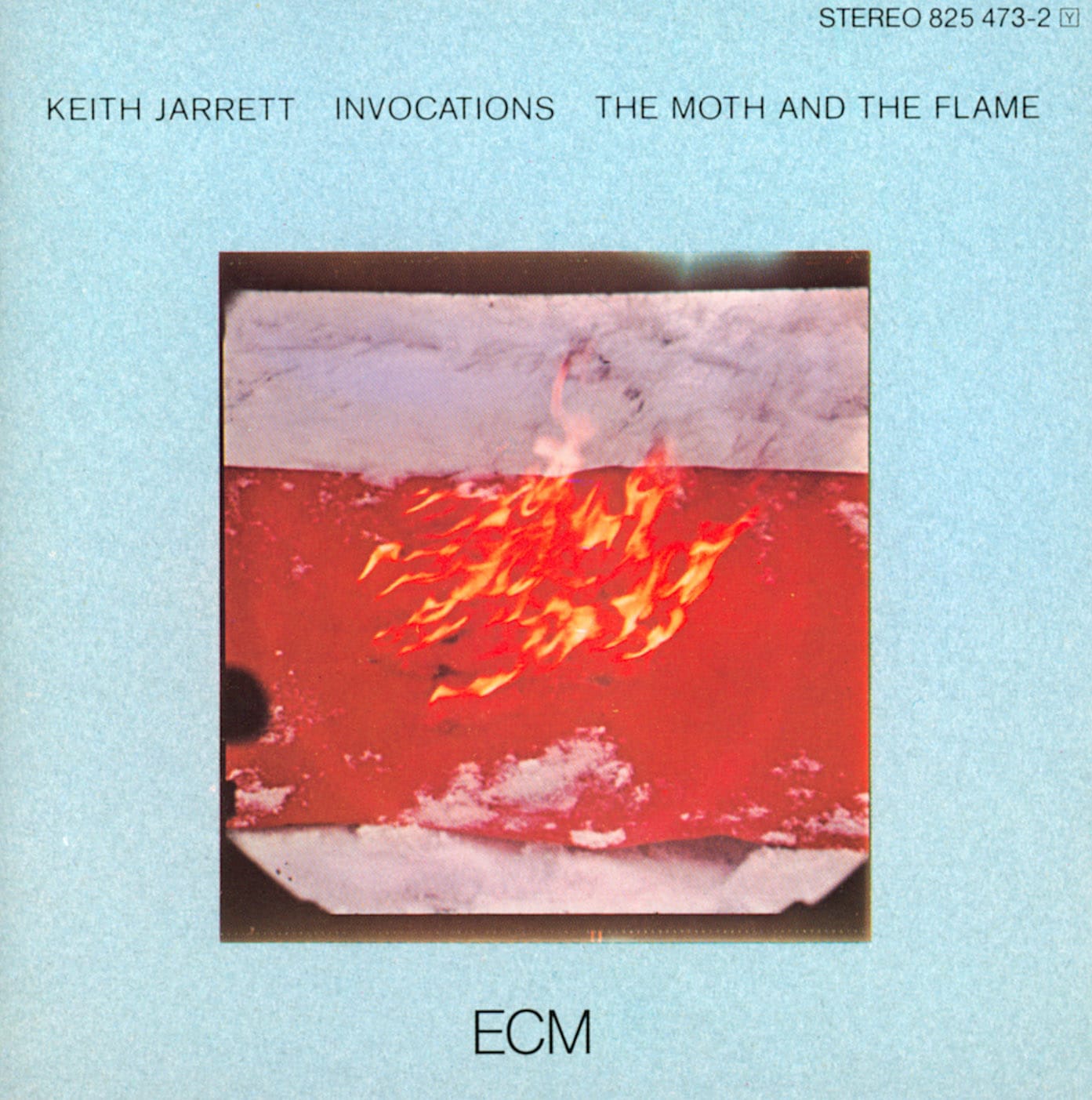
Out of silence, musical structures are constructed momentarily before collapsing back into silence. Rarely has the transience of music in the moment been more powerfully communicated than by the genius musician Keith Jarrett, who composes piano improvisations ("personal mountains") out of thin air, works that become instantly timeless because they do not seem attached in any obvious way to any form preceding or following them. In many ways, I see Jarrett's improvisations as the musical equivalent of Tibetan sand mandalas, with the caveat of this comparison being that the pianist's magnificent creations aren't finally dispersed into the sea to spread positive energy but are instead preserved on cassette, CD, and vinyl like captured dreams, the kind the BFG specialises in storing in glass bottles.
This is also some of the most elemental music ever composed, as fresh as mountain spring water and as warming as the rising dawn in summer. There’s a grounded, earthy quality to this music that does good for the soul, reminding you of the simple beauty of existence in both clear, teardrop-like tones and deeply resonant, life-affirming church bell summons that chime with a unitarian quality of truth.
Whenever I feel I'm out of equilibrium, I often turn to Jarrett's works and find an inner harmony restored to me, as if his piano playing is connected to the music of the spheres that tunes all human souls.
My late father once told a blind piano tuner friend of mine that when he tunes one piano, he tunes all the pianos in the world.
I feel that way about Keith Jarrett's music and all our souls, if only more people would listen.