DEVOTED TO THE DON
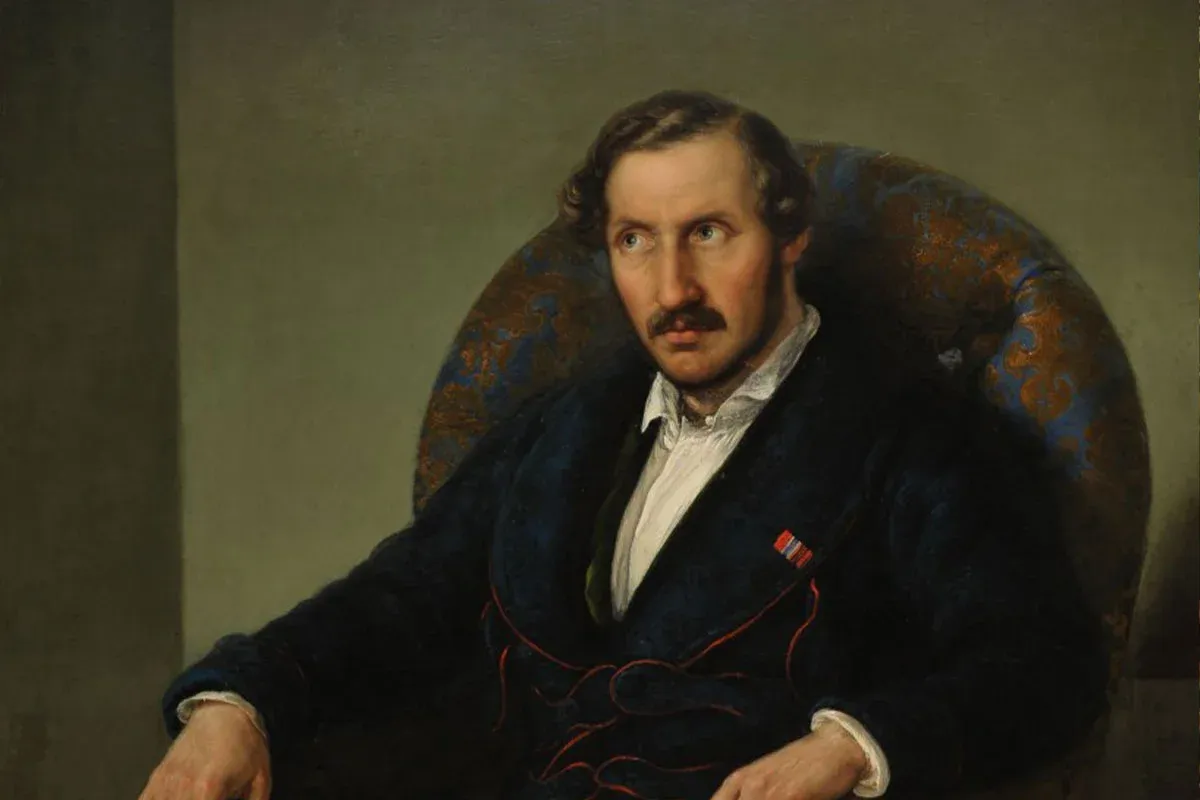
Sometimes you don’t realise how much you love something until it suddenly reappears in your life, and you feel your soul lift and your heart swell. Catching up via podcast with last week’s Composer of the Week on BBC Radio 3, I spent an hour yesterday walking in the sunshine, listening to a compressed biography of the Italian composer Gaetano Donizetti (1797–1848), and realised just how much he means to me.
A sudden flood of gratitude overwhelmed me while I was perusing the shelves of my local supermarket, as the familiar sound of Una furtiva lagrima from his most famous opera, L'elisir d'amore, filled my ears, and I became convinced on the spot that this had to be one of the greatest pieces of music ever composed.
The simple, rustic longing of Nemorino, as he realises that the aloof Adina, the object of his heart’s desire, has finally fallen in love with him, is heartbreaking and so full of passion that it makes you realise how much this music inspired the later verismo composers, such as Pietro Mascagni, Ruggero Leoncavallo, and Giacomo Puccini. I can already hear the jealous clown’s sob-filled anguish in Vesti la giubba from Pagliacci, and Cavaradossi’s starry-night lament in E lucevan le stelle from Tosca, echoed in Nemorino’s famous aria.
What appears to be a simple aria of a love-struck fool, typical of Italian comic opera in the early 19th century, now "echoes through eternity" to quote Maximus Decimus Meridius in Gladiator (2000) transcending the form for which it was composed and standing apart from it.
Of course, there are so many other incredible moments in the canon of Donizetti, but somehow this aria always disarms me in a way that feels so pure in its expression that I felt compelled to share it.