IF IT'S MAGIC
If it's magic
Then why can't it be everlasting
Like the sun that always shines
Like the poets in this rhyme
Like the galaxies in time
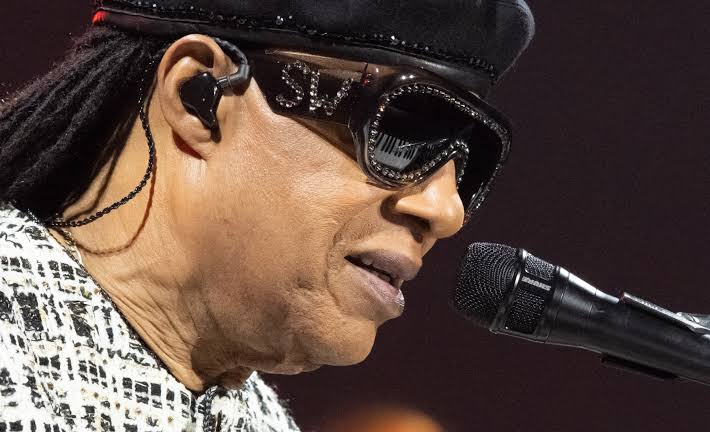
I was both concerned and moved to watch Stevie Wonder momentarily lose his voice at his 50th Anniversary Songs in the Key of Life concert at Birmingham Arena last month, which kicked off his current world tour.
At the age of 76, it's a miracle to imagine he was even able to perform an entire double album's worth of songs. So, this one moment of vulnerability halfway through his magnum opus seemed potentially precarious for seeing out the remainder of the concert. Until it wasn't.
After his daughter provided him with some magic elixir to soothe his throat, which her father swigged for dear life, he sang the most emotionally and vocally exposing song on the album, "If It's Magic", accompanied only by the gentle plucking of a harp, until the final signature harmonica solo closed the song like a musical seashell echoing its vocal sentiments.
What was amazing was seeing just how quickly Wonder's voice recovered as the song progressed, as though he were finding vocal strength from some supernatural inner reserves, summoned through seventy years of performing in front of audiences.
It presented a perfect illustration of why the tightrope walk of live performance is so essential to appreciating the full dimensions of a monumental artist such as Stevie Wonder. Perhaps even more so in an age of artificial intelligence, when the cracks and fragility of human expression allow even more light to flood the enveloping darkness of our times.
Magic, it appears, still belongs beyond the grasp of the machines.
And it was just that.
Magic.
If it's magic
Why can't we make it everlasting
Like the lifetime of the sun
It will leave no heart undone
For there's enough for everyone