MY BABY SHOT ME DOWN
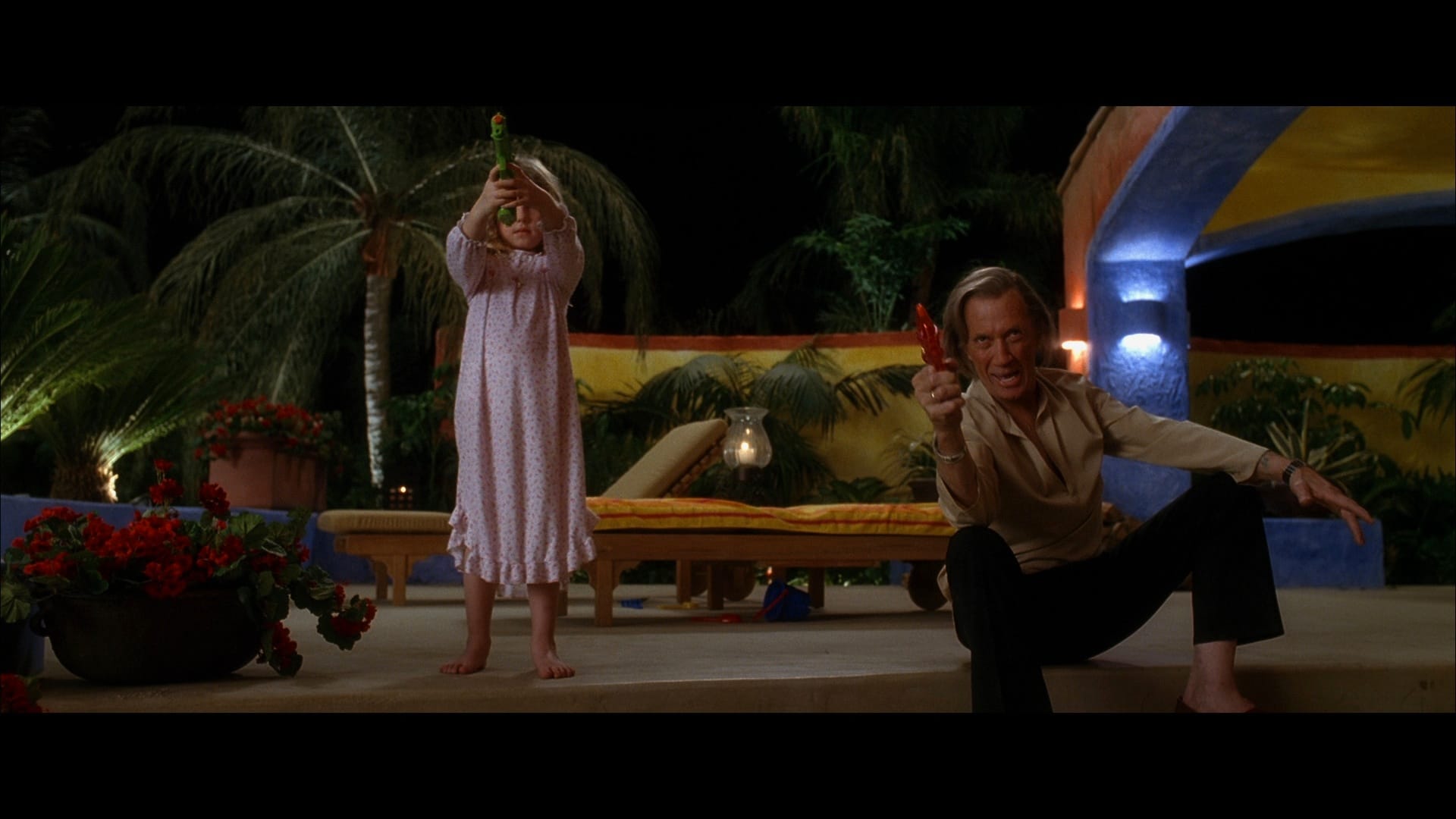
If Beatrix Kiddo, a.k.a. The Bride, played by Uma Thurman in Quentin Tarantino's martial-arts extravaganza Kill Bill: The Whole Bloody Affair, has daddy issues, then it becomes clear—by the time the four-hour film reaches its conclusion—that Tarantino has both daddy AND mommy issues all of his own.
The movies essentially raised Tarantino while his young mother worked long shifts as a nurse, and his father, Tony, was largely absent from his life growing up. Without any parameters to limit his unfiltered access to sex, violence, and death on the big screen, it seems one reason the director is so unapologetically raw and extreme in his cinematic references is that he could watch anything that came his way—like a hungry young tiger shark, that “trash can of the sea,” gobbling up whatever detritus crosses its path, be it turtles and seals to washed-up human garbage. Young Quentin's feeding frenzy included a diet of everything from blaxploitation movies to The Texas Chainsaw Massacre to The Wild Bunch and Deliverance, guaranteeing his view of the world might be a little r-rated, to say the least.
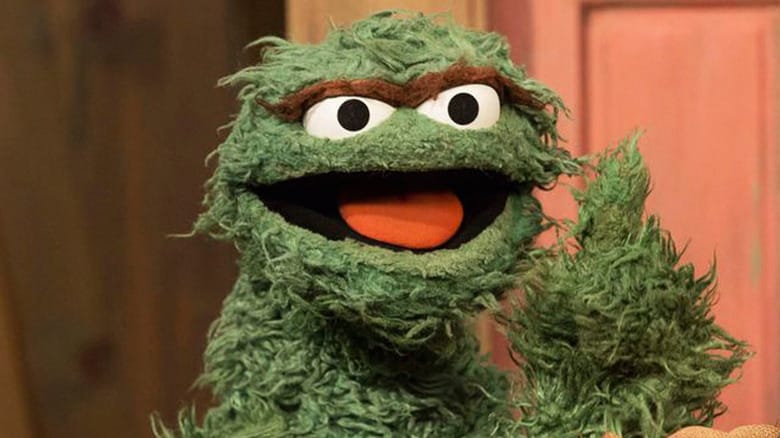
Speaking of trash cans, Tarantino always reminded me of Oscar the Grouch from Sesame Street, who lives in an actual trash can, but I digress.
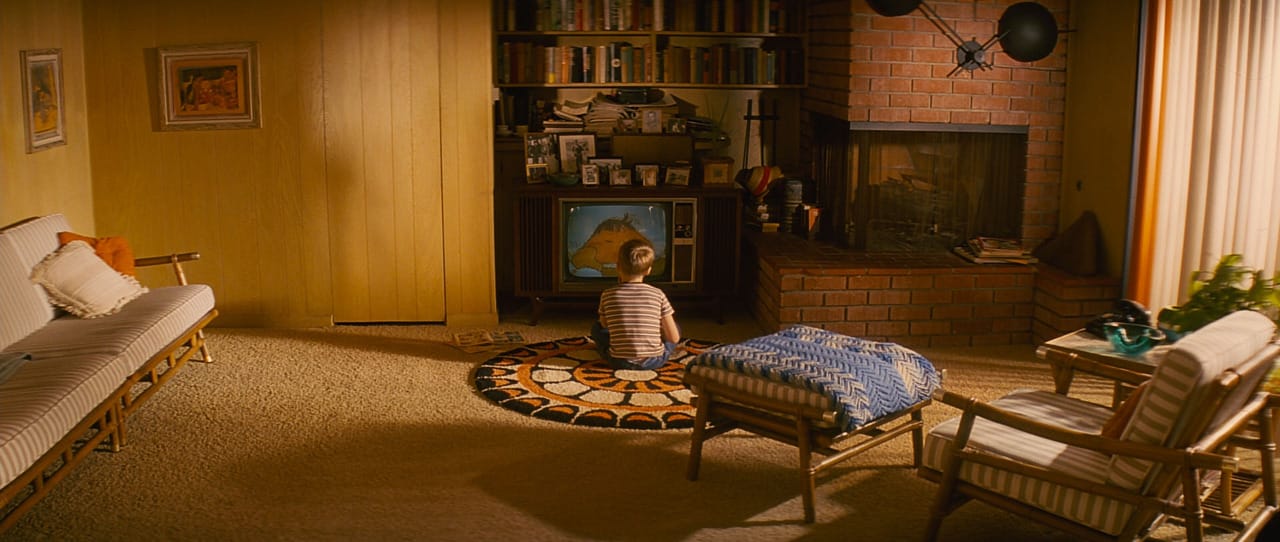
As the creator of Kill Bill (originally released as two volumes, now presented as one four-hour extravaganza), it seems undeniable that Tarantino ended up writing an epic internal therapy session and directing it onto the big screen for all to witness. One of the reasons the films have aged surprisingly well is the personal aspect of the story, which reveals itself cumulatively as the tale of revenge progresses to its final conclusion. This will come as no surprise to fans of Tarantino’s work, who can spot autobiographical details littered throughout his nine-movie canon. One only needs to think of young Butch (Chandler Lindauer) sitting in front of the television watching an episode of Clutch Cargo to imagine the young Quentin doing the very same back in the 1960s—or consider the kung-fu-film-obsessed Clarence (Christian Slater), who works in a comic book store in True Romance, to find further autobiography in his work, and clear parallels with Tarantino’s time working at Video Archives, a film-rental store in Manhattan Beach, California.
Furthermore, the idealised father-type figures (Mr. White, Mr. Wolf, Marsellus Wallace, Max Cherry, etc.) represented as tough but fair patriarchs, along with the strong-willed female figures—no doubt indicative of his own mother—are regularly featured in his films (Mia Wallace, Jackie Brown, The Bride, etc.)
When I first saw Kill Bill Vol. 1 I came away feeling kind of ill with the relentless violence and empty-seeming revenge story reminiscent of Japanese and Korean cinema, but found myself far more sympathetic to Vol. 2, due mostly to its almost expectation-defying anti-climax which defies the brash-and-slash quality of its predecessor. Echoes of the slow boil Jackie Brown infuse the final denouement at Bill's place as The Bride has to control her blood lust for revenge over her realisation that she has something bigger than even her vengeance to reckon with: a daughter.
If Bride represents the strong mother who will stop at nothing for revenge in Kill Bill, then Bill (David Carradine) himself represents the father figure she must finally reckon with to emancipate herself from his twisted grasp—just as his veiny hand is wrapped around the hilt of his custom-made Hattori Hanzo katana sword. Bill is as much a dark vision of the father figure as Darth Vader in Star Wars: omnipresent even in his absence, a looming shadow whose presence you feel in every corner of the comic-book-style universe Tarantino has created.
But as fearsome as Bill may be, he is also mythologised throughout much of the story in the way an absent parent might be in the mind of a child—such as the young Quentin Tarantino. Bill is the cowboy, the assassin, and the samurai all rolled into one, and is possibly the director’s fantasy father figure, a man he can symbolically confront and avenge with the flick of his pen on the final pages of his 200-page screenplay.
When Beatrix Kiddo, a.k.a. The Bride, finally confronts her mentor–patriarch, it feels as much like a custody battle by way of the sword as a showdown for who will walk away with the daughter, B.B. Kiddo, stolen from The Bride while she lay in a four-year coma, like Snow White in her glass coffin.
Perhaps Tarantino is the young girl in this instance, disguising himself so as not to reveal his emotional vulnerability too overtly. There's no doubt when Beatrix settles down with her young daughter to watch Shogun Assassin it touches upon the uncensored film education that Quentin's mother, Connie, permitted him to access either by being oblivious to the psychological impact of it or because, like her son, she just loved watching movies without discrimination.
And Bill himself, travelling the globe, acquiring father figures of his own, is no doubt part of the director's injured psyche. It could be this seeking for a replacement father figure that attracted Tarantino to the allure of Harvey Weinstein, that once-overlord of the movie business.