SOMEONE TO WATCH OVER ME
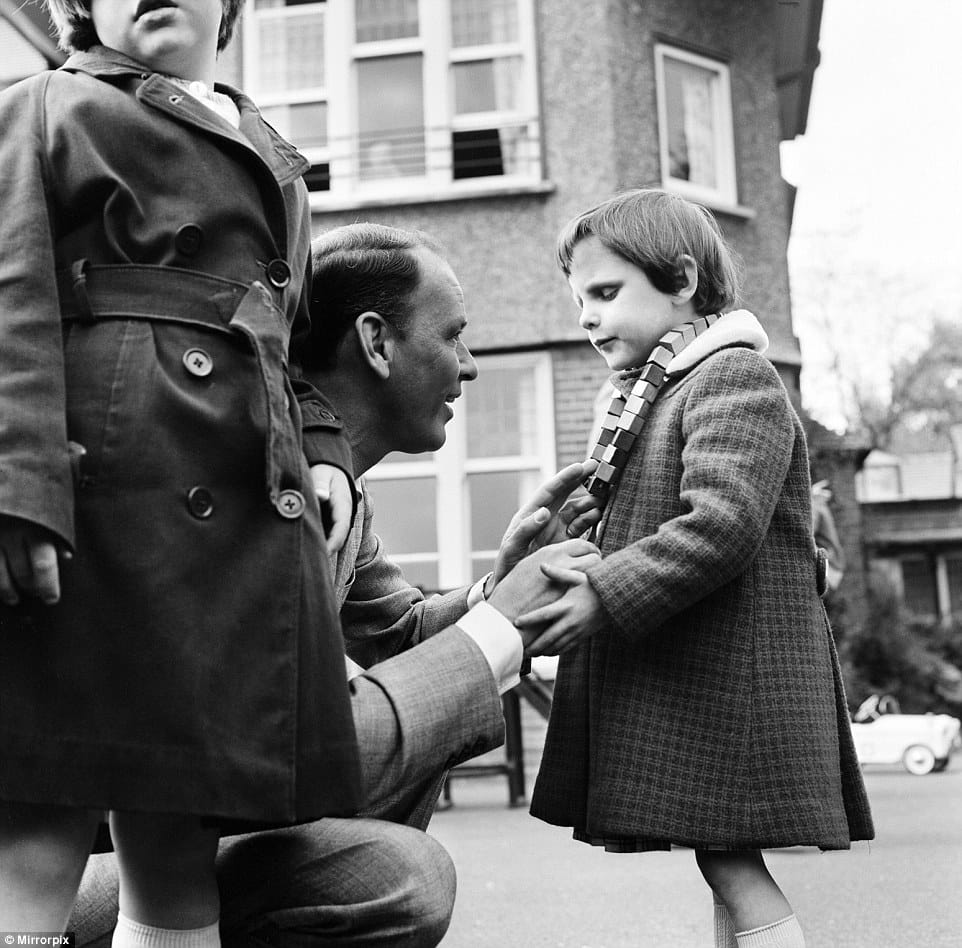
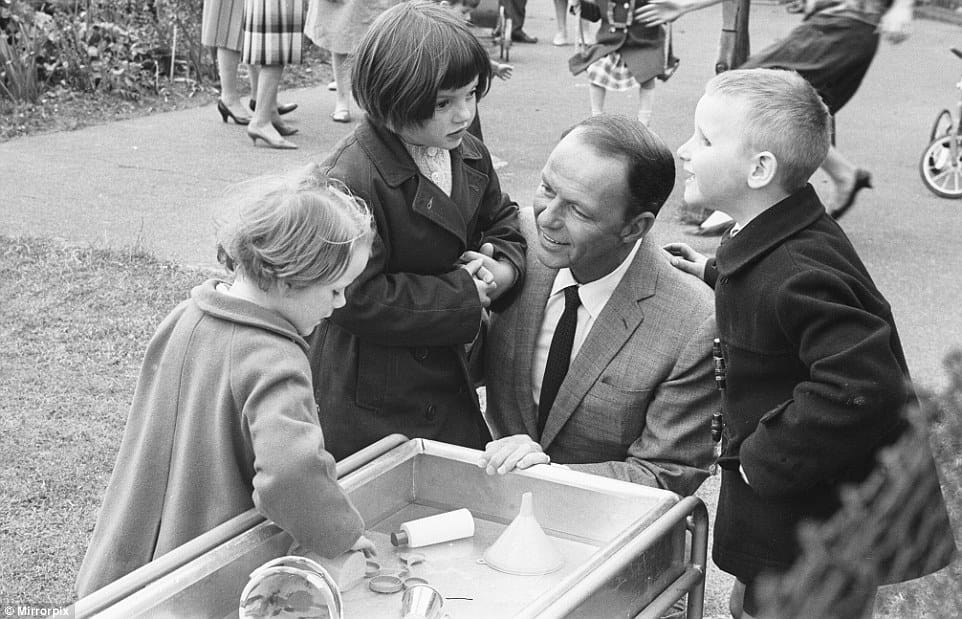
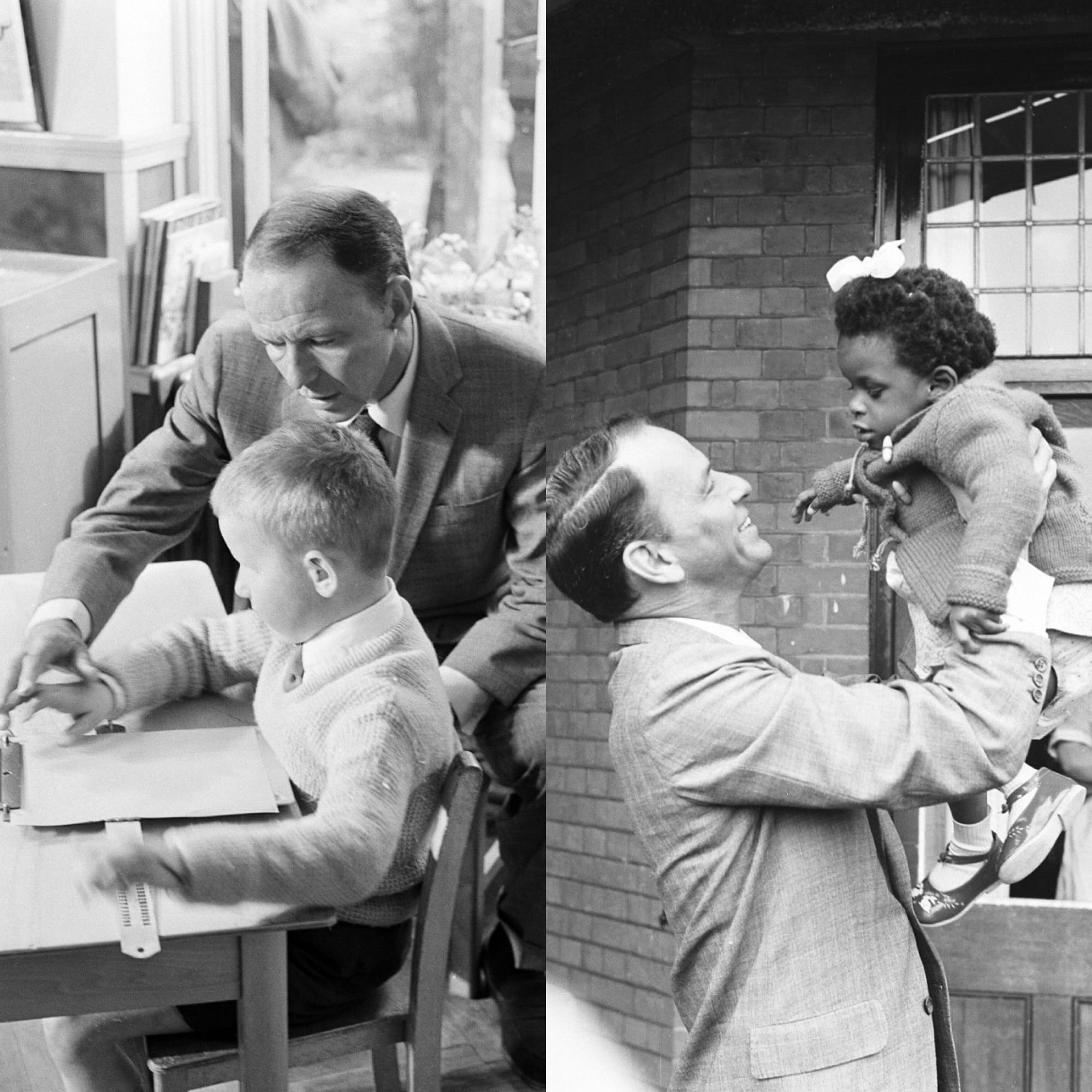
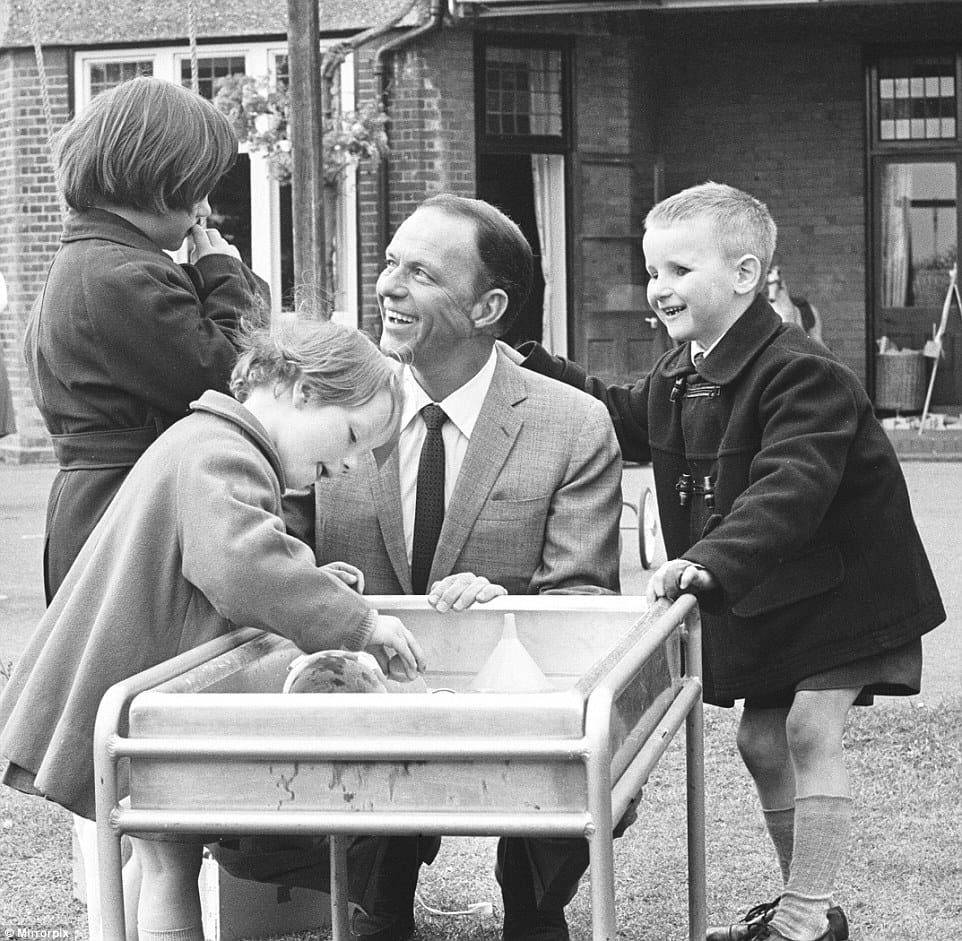
On June 2, 1962, Frank Sinatra paid a visit to the RNIB Sunshine House School for Blind Children in Northwood, Middlesex, as part of a humanitarian tour that combined fundraising for disadvantaged children around the world with concert performances. Many critics, including Will Friedwald, believe the tour represented Sinatra at the peak of his powers—vocally, professionally, and personally—synergising all of his skills as an artist and celebrity with a noble cause that inspired each performance he gave.
Sinatra himself was never one to publicise his charitable work to any great extent, and so the photographs of his visit to the Sunshine House School are especially moving, as they give the impression of a man fully present in the moment with each of the visually impaired children he spends time with. There is absolutely no affectation or sense of a cynical photo op here—the humanity practically reaches out of each photo and breaks your heart (or at least mine) into a thousand pieces.
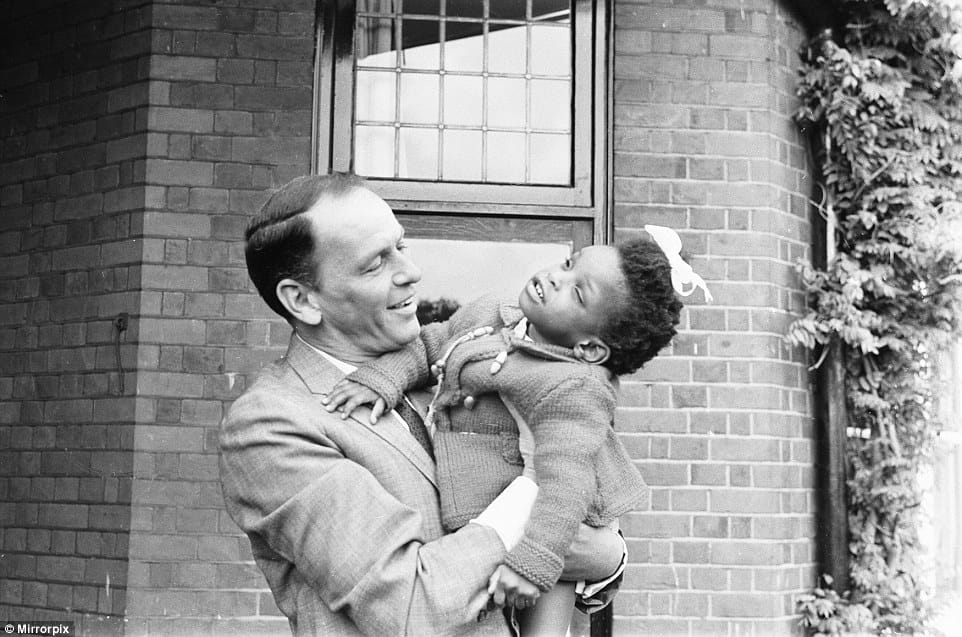
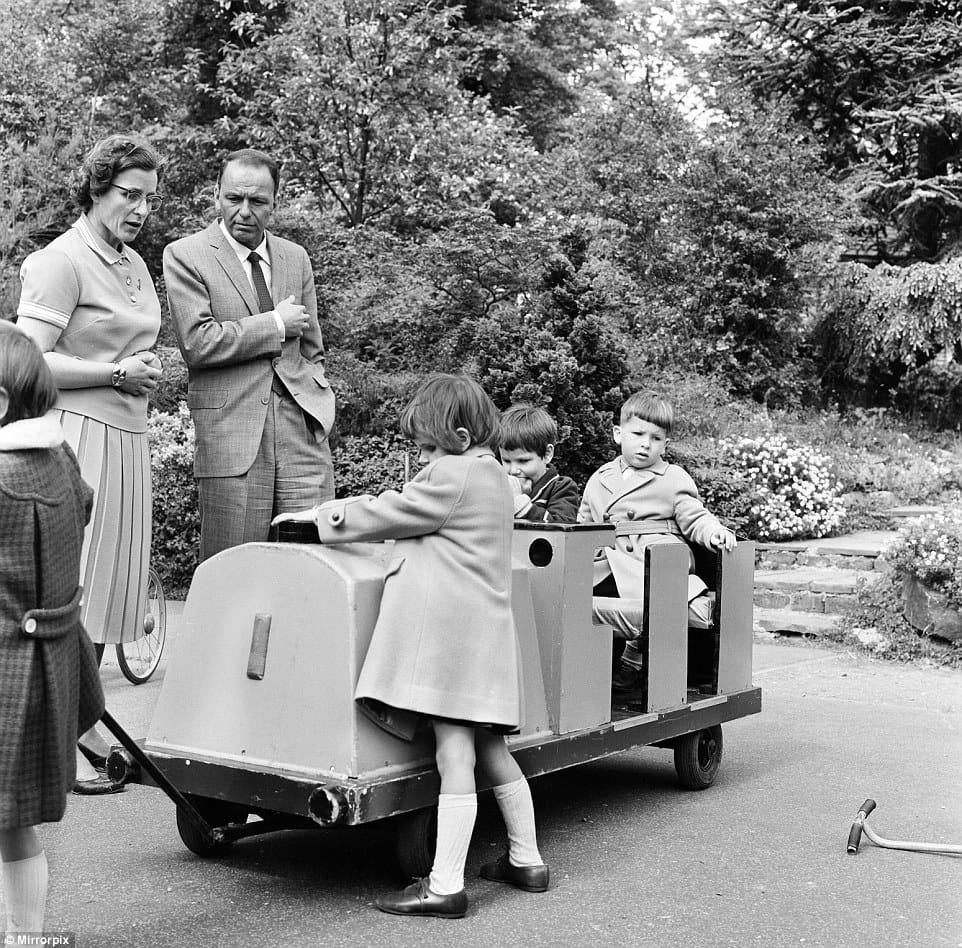
One moment during the visit to Sunshine House School that moved Sinatra profoundly—and perhaps broke his own heart into a thousand pieces—came when a young blind girl asked him, “What colour is the wind?” He gently replied, “I don’t know, darling. It travels so fast you can’t see it.”
I could almost imagine the singer calling up his favourite lyric writers to come up with a song of the same title, but it seems he was far too discreet for that.
Sinatra himself had been fortunate to survive his traumatic forceps delivery in Hoboken, New Jersey, on 12 December 1915, during which the attending doctor initially declared the stillborn-appearing baby dead on arrival, before his street-smart grandmother, Rosa Garaventa, held him under a cold tap and he finally spluttered into life—albeit with a considerable scar down the left side of his face, permanent damage to his left earlobe, and a perforated eardrum.
Who knows—perhaps it was the singer's brush with death so early on that reminded Sinatra of his good fortune, and inspired him throughout his life to give back wherever he could to those less advantaged than he was.