THE IBRAHIM CHORDS
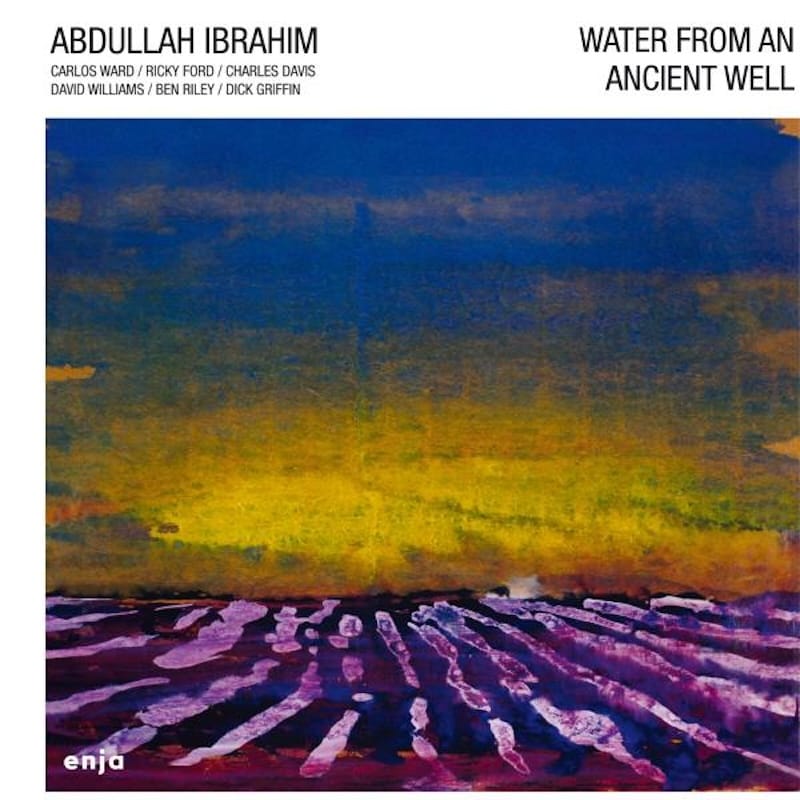
Water From An Ancient well
Great musicians take you home, even to places you didn’t know were your home, alternate lives, you might say, recalled or imagined in melodies and songs that can make you believe you once lived in 17th- and 18th-century Germany (Bach and Mozart), or 20th-century New York via George Gershwin, or Cape Town via Abdullah Ibrahim and his band, Dollar Brand.
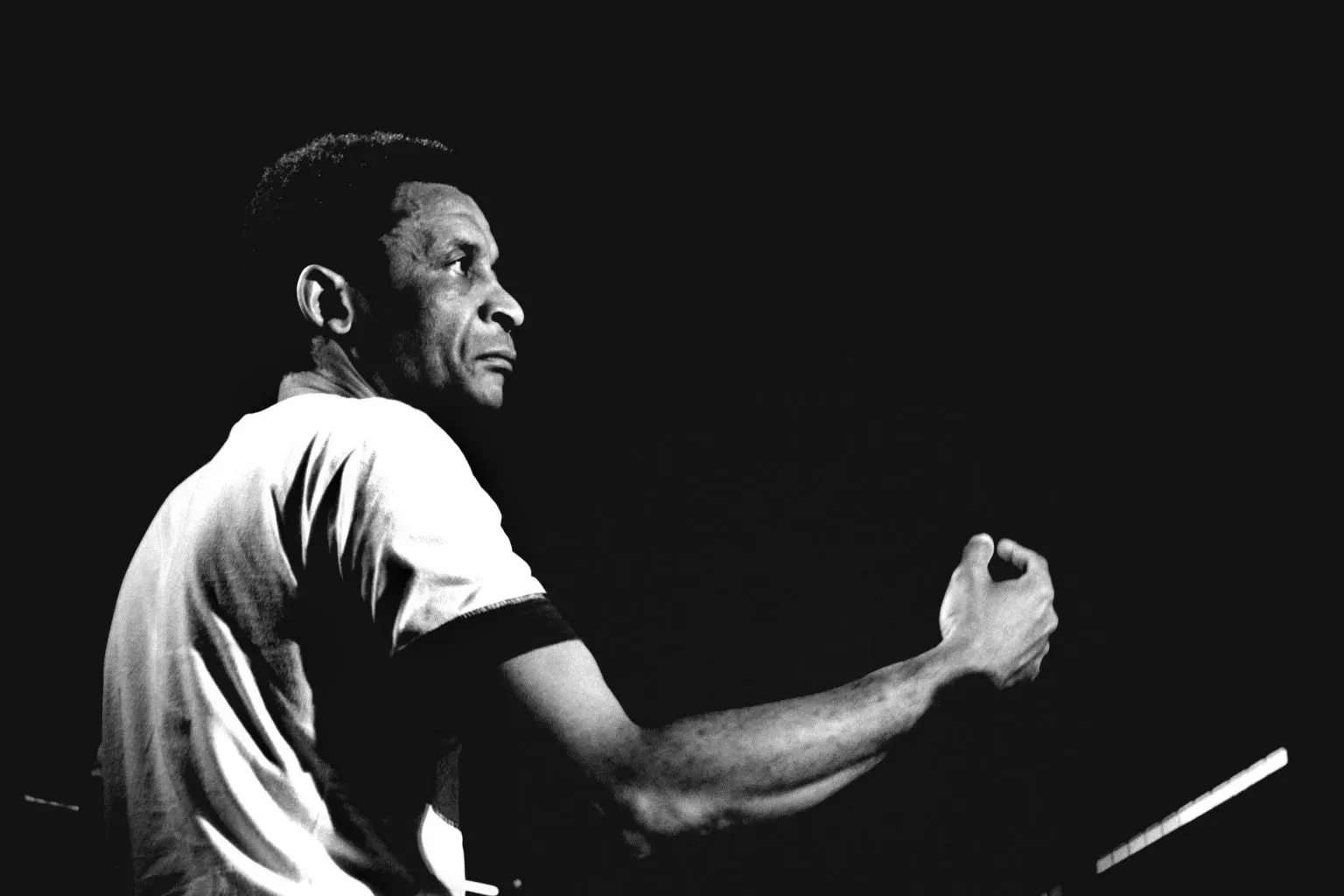
Speaking of Abdullah Ibrahim, who sadly passed away on 15 June 2026 at the age of 91, I found myself, as a young teenager, transported to his South Africa through his gospel-sounding piano chords. These acted as a foundation for his compositions, along with the life-affirming saxophones surrounding his playing, which often blazed like the hot sun, and jazz flutes that cooled like night mountain breezes.
There was an immediate sense of place whenever my father and I (plus Gorodish) would play those records on the Enja label, as if we recognised the same authentic soulfulness in Abdullah’s music that we applied to our own way of living in the South West of England.
“Real recognise real,” to use modern parlance.
Wandering into Mills Cafe back in the 90s, we almost developed a Soweto swagger as we ordered our cappuccinos while songs such as The Mountain, Mannenberg Revisited, or African Sun played over the tiny speakers, and our physiology matched Abdullah’s and Dollar Brand’s inimitable groove. We were (white) brothers with perfect timing, thanks to this Cape Town Duke Ellington.
I also remember my late father acquiring a VHS copy of a documentary about Abdullah from Tower Records, which he watched often. He was fascinated by the eloquence of this globally revered musician and found a special delight in the filmed version of Water from an Ancient Well, a near 15-minute slow groove that feels as old as time yet as fresh as a clear spring.
We even made pilgrimages to see Abdullah play live a few times (both in Bath, if I recall, at the city’s jazz festival). On one occasion, we were shocked to see someone local to us, whom we believed to be a fellow fan, walk out early because Ibrahim was playing a solo concert with no saxophonist. That felt like a form of blasphemy to us devotees.
The last time I saw him was one of the greatest concerts I’ve ever experienced: an entire medley of Abdullah’s legacy, just under two hours, played as if in a single breath, with no intervals for applause. It was as though we had lived his entire life through musical osmosis and walked away feeling that an entire culture and emotional universe had been absorbed into our souls forever.
Whenever I play Abdullah now, especially at night (ideally with a few stars overhead), I can’t help but remember my dad, who seemed to use the South African maestro’s music as an extension of his philosophy of the groove, a way of existing that could be transferred to any place with a café, some shade from the sun, and good conversation with fellow travellers.
Playing The Mountain of The Night hits especially hard (in a good way) these days, and I suspect it always will. There’s something about the poetic serenity of the piece that relaxes your nervous system and invites you to meditate on the true meaning of life.
Joy.
Rest in peace, Abdullah Ibrahim (9 October 1934 – 15 June 2026).