THE WORLD WE KNEW
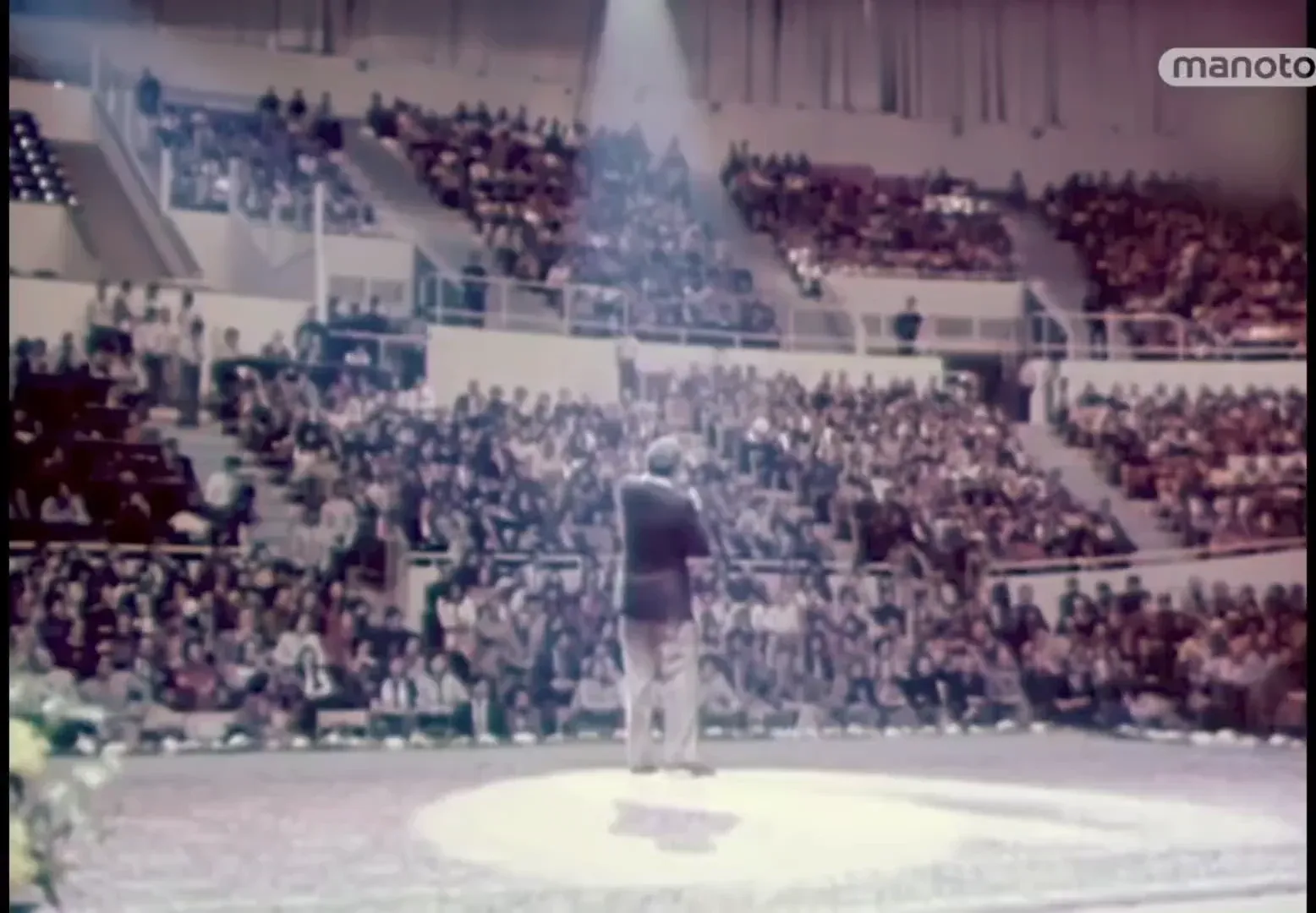
There was a brief shining moment during Iran’s 1960s–1970s modernisation period when the country opened its doors to Western entertainers, including, most famously, Frank Sinatra, who sang at Aryamehr Stadium and Rudaki Hall in Tehran in 1975. Like the dream of Camelot, the possibility of more civilised and diplomatic relations between Iran and the USA emerged from the authoritarian darkness before quickly vanishing like a Middle Eastern Brigadoon as Ruhollah Khomeini’s Islamic Republic seized power after the Iranian Revolution of 1979, which saw Mohammad Reza Pahlavi, the Shah of Iran, overthrown and forced into exile.
Of course, the perennial critics of America will argue that Iran was far better off without further widening its doors to a culture of Coca-Cola, Mickey Mouse, and chaotic foreign wars, and it would be hard to argue against those points. However, I cannot help wondering whether Sinatra, with his Jack Daniel’s and lemon-honey voice, offered the freedom-loving people of that time an enticing glimpse of the best of America: a place where emotional expression and individuality flourished through its most effective export, popular music.
Sinatra himself was a great advocate for bringing people and their cultures together through the power of music, and on that November night in 1975 he probably would not have suspected that the rapidly reforming country would ban all public concerts four years later, shut down nightclubs, and remove a good deal of any remaining Western cultural influence.
It seems poignant, then, to think of Sinatra singing “Strangers in the Night” that evening at Aryamehr Stadium, where the lyrics could almost act as a metaphor for a newfound freedom in a country where the concept had long been a foreign one.
Something in your eyes
Was so inviting
Something in your smile
Was so exciting
Something in my heart told me I must have you