NO MORE PARTIES IN LA
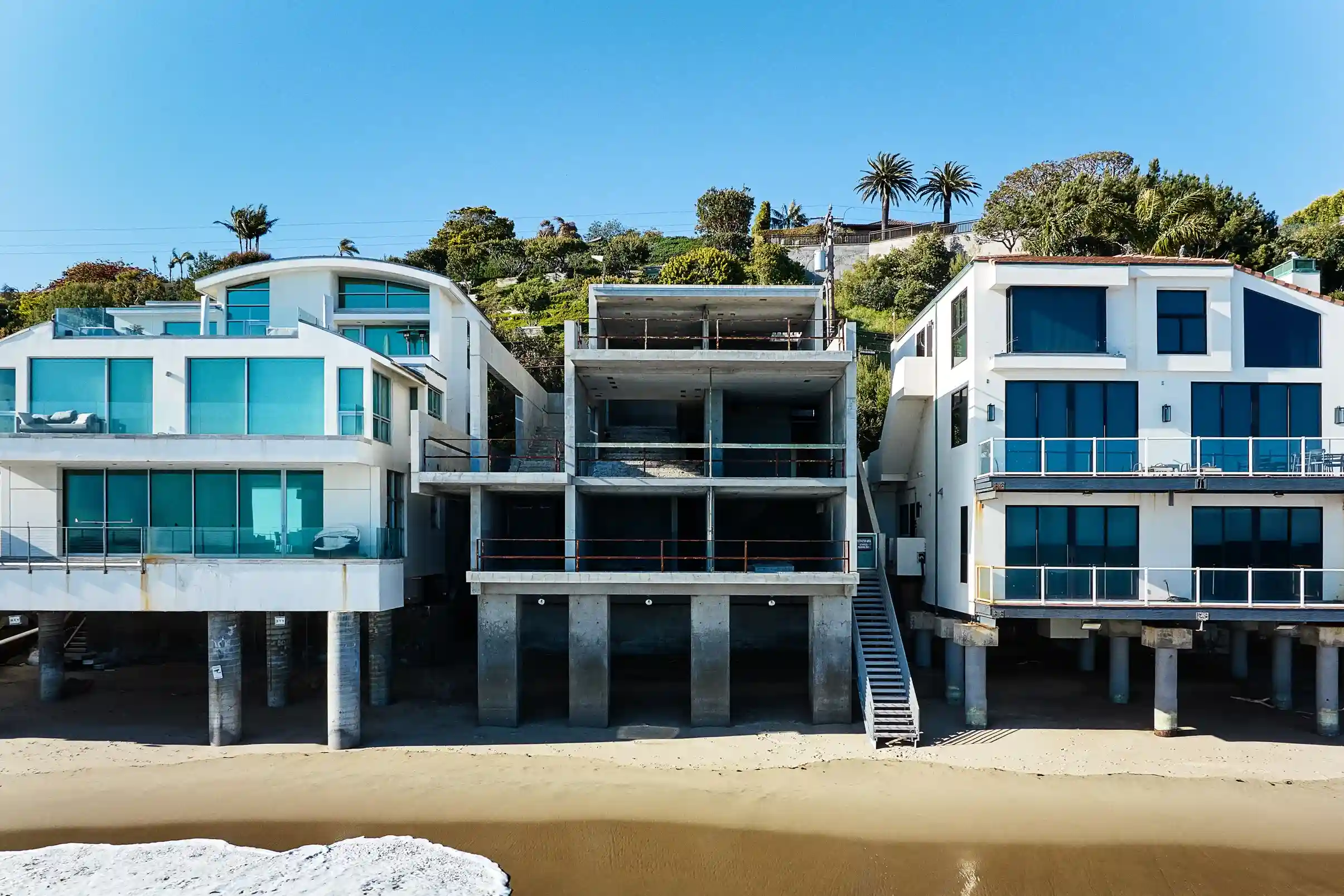
It could almost have been a scene from Miyazaki's Spirited Away, a derelict mansion with its interiors hollowed out like empty seashells, appearing to possess a ghostly atmosphere reminiscent of a Michael Mann movie but without the neon.
The Miyazaki reference seems apt enough, as the mansion in question was designed by Japanese architect Tadao Ando for client Kanye West. Ando and Miyazaki were both “war babies,” born in 1941. Where Miyazaki tells his stories with frames of light, Ando tells his in concrete and light, his narratives of design responding to the client and the environments in which they are built.
Somewhere along the way, however, his architectural story diverged from West's.
Yet perhaps the most pertinent comparison of them all, in relation to the controversial $57 million Malibu construction, is Kanye West's own minimalist masterpiece album 808s & Heartbreak. It is an object lesson in reducing things to their bare essentials, an electronic chamber piece representing the dissolution and fragmentation of a celebrity ego on the verge of losing his soul and becoming an emotionally desolate vampire.
Throughout the 2008 album, tracks such as “Say You Will,” “Amazing,” and “Love Lockdown” are stripped of the sonic ornamentation of the College Trilogy that preceded it, no doubt reflecting the tragic circumstances surrounding the death of West's mother, Donda, during the making of the project at Glenwood Studios in Burbank, California, thirty-plus miles down the road from Malibu.
The pathology of 808s & Heartbreak (2008) and its avant-garde twin, Yeezus (2013), may have found a more recent sequel of sorts in West's almost violent deconstruction of Ando's mansion, undertaken in pursuit of an off-the-grid, utility-free bunker that feels more like a punk statement than a realistic way of living. Further proof of this is the fact that West has now sold the property for around $21 million, incurring a loss of $36 million.
Now, in February 2026, (Kan)Ye West is involved in a civil trial in Los Angeles relating to a lawsuit by former project manager and contractor Tony Saxon, who alleges he was mistreated while “renovating” Ando's mansion. Saxon is seeking financial compensation for being asked to carry out unsafe work, unpaid wages, and unreimbursed expenses. The artist formerly known as Kanye West has denied the allegations and counters that Saxon was an unlicensed contractor.
Whatever the truth, this has all the makings of an iconic documentary. It was already the subject of a brilliant article in The New Yorker by Ian Parker, published June 10, 2024.
 Ian Parker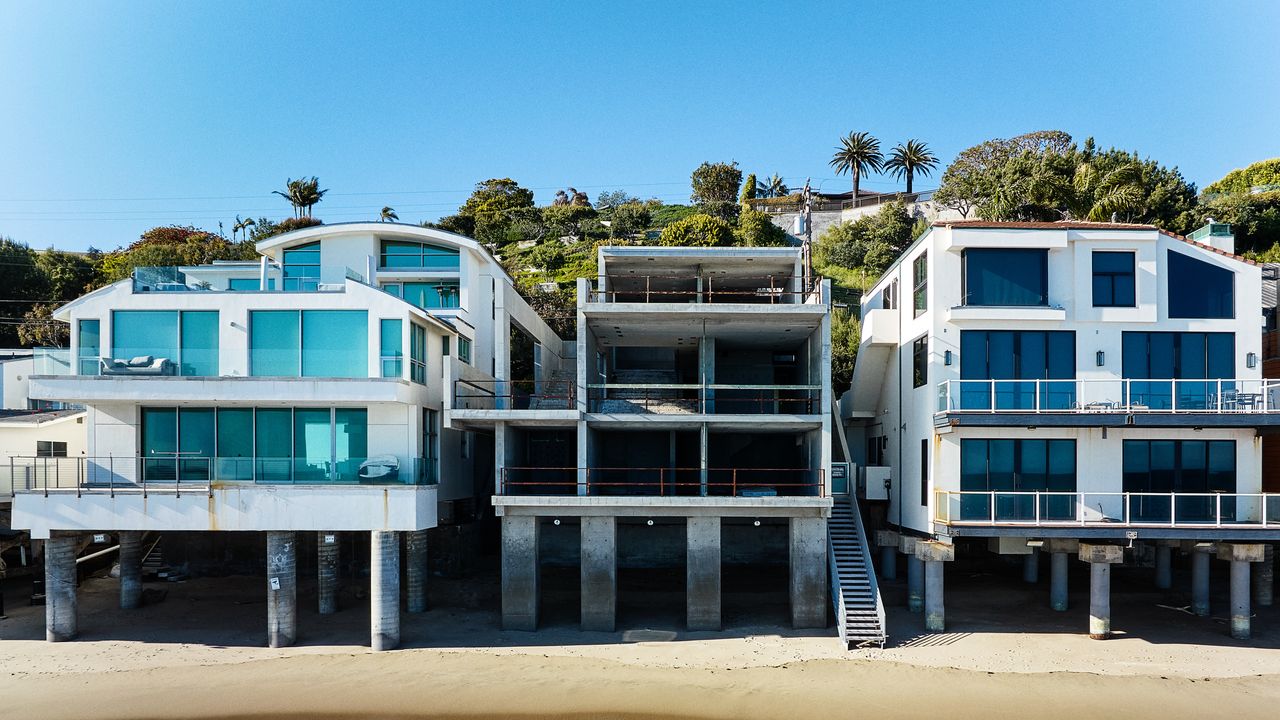
There is something strangely compelling about the vagabond contractor Tony Saxon possibly being paid to carry out what could be considered vandalism on Ando's building under the instruction of Kanye West, an act that in itself might feel like an extension of Japanese philosophy, akin to architectural BDSM or a comparable act of creative sadism straight out of the pages of Mishima or the films of Oshima.
I cannot help wondering whether Ando himself might have secretly understood what West was getting at, a sort of monastic metaphor for the decay at the heart of modern Los Angeles and its pop culture, in search of something more gothic and ruined, with West himself an Auto-Tuned Heathcliff with dark hip-hop undertones.
Zen brutalism meets Los Angeles dystopia.
And perhaps a clue was in West's lyrics all along, as he declared in his epic track “No More Parties in LA”: “I feel like Pablo when I'm working on my house.”
Which Pablo, though?