PAST, PRESENT AND FUTURE LIVES
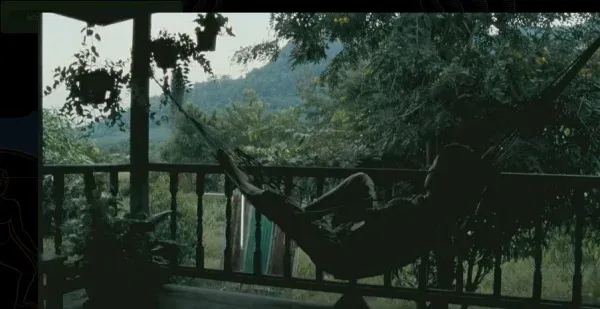
“Ghosts aren’t attached to places but to people, to the living.” - Huay
There seemed a kind of harmonious perfection in watching Uncle Boonmee Who Can Recall His Past Lives (2010) on Bank Holiday Sunday evening, while heavy rain showers refreshed the leaves of the trees outside my window, which have recently sprung into vivid green. I could almost have imagined that I was surrounded by the lush, tropical forests of Isan, Thailand, where the story of Boonmee is set.
The film is loosely inspired by A Man Who Can Recall His Past Lives, a memoir by the Buddhist monk Phra Sripariyattiweti, which perhaps explains its loose, dream-like structure, as though the story unfolds like a meditation on the untethered memories from a human life.
Certainly, nature, as a reflection of our psyche, plays a huge part in the 2010 Palme d'Or winner, where the shadows of Uncle Boonmee’s past and the spectre of his future lives stalk him closely while he clings to his fading present, all the while realising that there is no separation in the transition between this life and the next, but rather a total continuum of time and space in which karma, like consciousness, constantly flows through human streams of cause and effect, perpetuating an endless cycle of existing, attachment and suffering.
As Uncle Boonmee (Thanapat Saisaymar) stands on the precipice of leaving his current life for his next incarnation, he attempts to reconcile, as best he can in the present, with the past karma that he believes has dealt him his mortal blow. He suggests to his sister, Jen (Jenjira Pongpas), that his poor health may be a consequence of having killed communists while serving in the military.
The equanimity with which Boonmee accepts his fatal illness means that his perception of karmic wrongdoing is not expressed hysterically, not as a Thai Ebenezer Scrooge, but as someone who finally accepts that all living things are connected and therefore impossible to escape, even when they have been killed at the barrel of a gun or by the swat of a bug zapper under a table lamp. His heightened awareness of all living things, while his own life is ebbing away and he retreats into the cave of death, literally, is poignant but complicated.
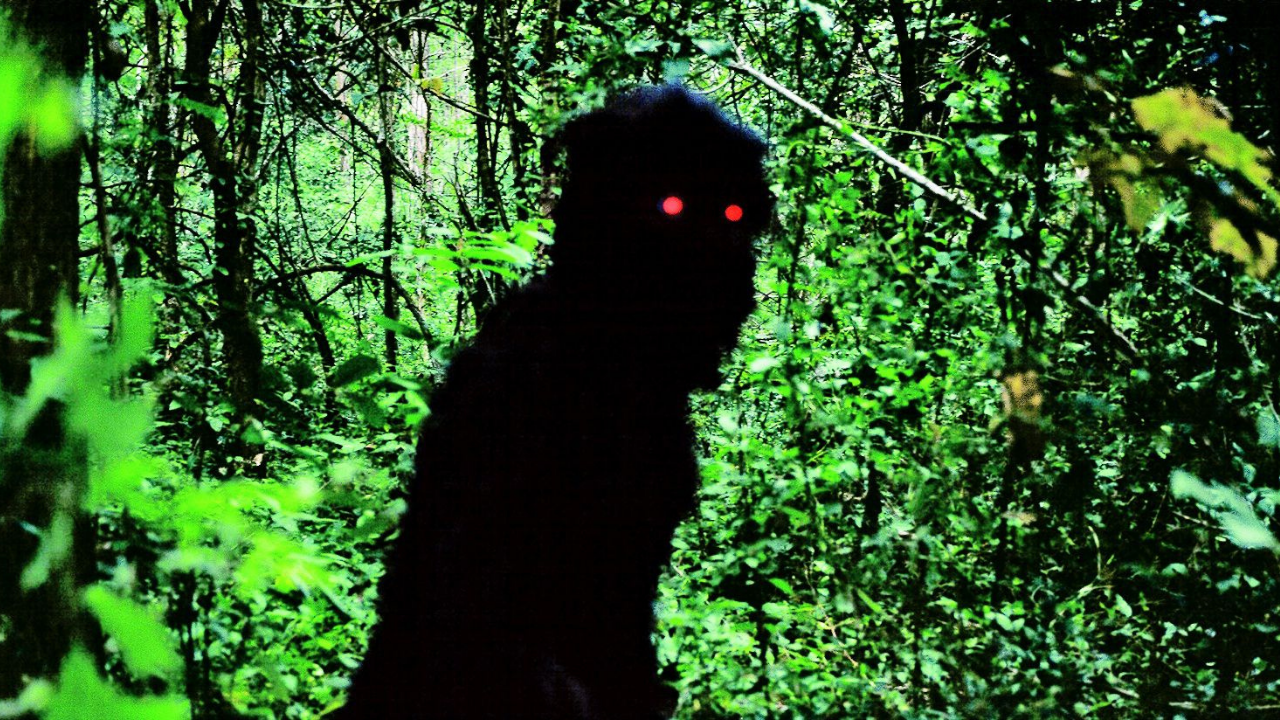
I must confess I spent much of the film uncertain as to the director’s intended message; perhaps I was still watching through Western goggles, searching for an obvious meaning in sequences layered one on top of another. However, it did occur to me, given that Boonmee seems haunted by his killing of communists in the northeast of Thailand for the government, that a compelling companion piece might be The Act of Killing (2010) by Joshua Oppenheimer. In that powerful documentary, older men such as Anwar Congo and Herman Koto, murderous gangsters acting on behalf of the Indonesian government and paramilitary, must contend with the violent actions of their past during the mass killings of 1965–66, as they begin to realise the true nature of their crimes.
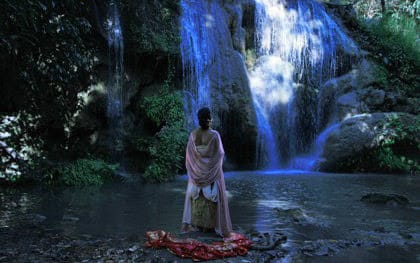
But Boonmee is far more than just a political film. It is also Apichatpong Weerasethakul’s love letter to various genres and styles of cinema that inspired him from child to man, from magical realism to folktale to a kind of existential spiritual meditation. The constant invention and reincarnation we experience, both within the story and through film as a medium, create a shifting interplay between memory and imagination, light and shadow, and Boonmee’s own fractured sense of self.
By the end of this quietly mesmerising film, we have lived several lives ourselves. The ending may feel ponderous to some, but it resolves into a kind of banal equilibrium, with Boonmee’s relatives watching television in a hotel room while the song “Acrophobia” by Penguin Villa drifts over the scene, leaving a quiet suggestion that most of us choose to ignore the bigger questions of our lives and often avoid reconciliation with our personal karma until it is far too late.