SPRING INTO SUMMER
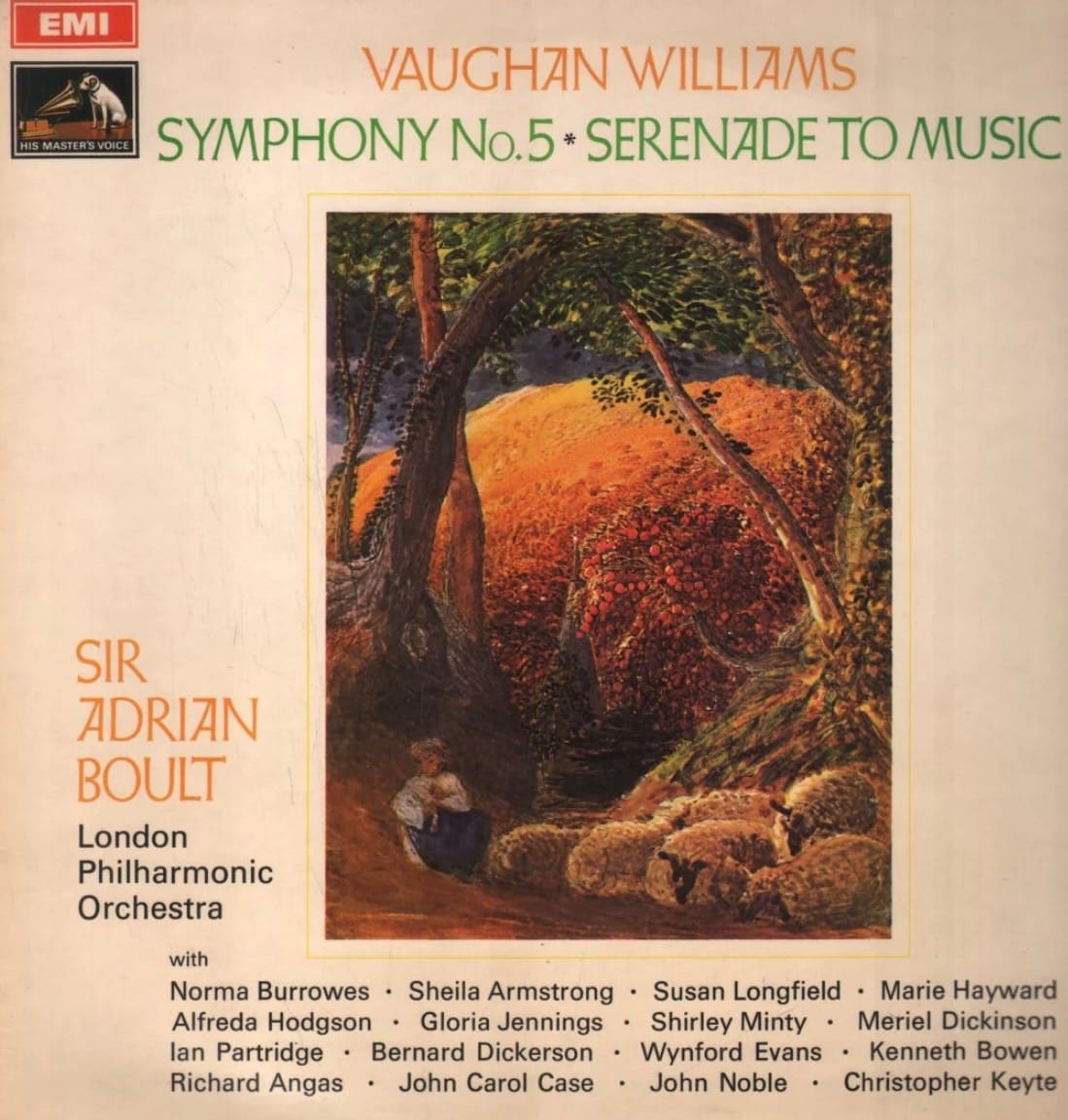
April 30th (Walpurgis Night) is celebrated as representing the halfway point between the spring equinox and the summer solstice and so, after learning this important fact just this morning, scrolling across a Saatchi Gallery Instagram post about it, I thought I would celebrate this symbolic calendar date by musing on a musical composition which has been occupying a special corner of my heart of late: the Fifth Symphony (1943) of England's own Ralph Vaughan Williams (1872–1958).
It feels fitting to honour this final date of April by turning to a work that seems to stand on a boundary line between the two seasons of spring and summer, and yet also looks to the very close of summer in its quiet, magisterial reflection. There is both past, present, and future within this symphony's magical final movement, the Passacaglia, which mirrors a sense of transition between spring's turbulent equinox and the more patient, luminous calm of summer.
Toward its closing pages, the work finally reveals something ancient and familiar of England's green and pleasant land, a refuge amidst the darker shadows of uncertainty (a reflection of a country still in the midst of World War II) that are initially concealed in the earlier movements of the symphony itself. And in this way, the conclusion of the Passacaglia feels less like an ending and more like a passing through, a quiet step over an unseen threshold.
Just as Walpurgis Night gestures toward the fullness of summer while still rooted in spring’s tentative light, Vaughan Williams’ final movement of his Fifth Symphony inhabits that same in-between space: reflective, searching, and ultimately serene, anticipating the long desired peace that comes after a war.
Though the music does not overtly proclaim arrival at a place of definite equilibrium as such, it does seem to open a door through which the promise of the life-giving light of an English summer slowly begins to revive the weary spirits of a war torn nation.