HEART CANNOT ERASE
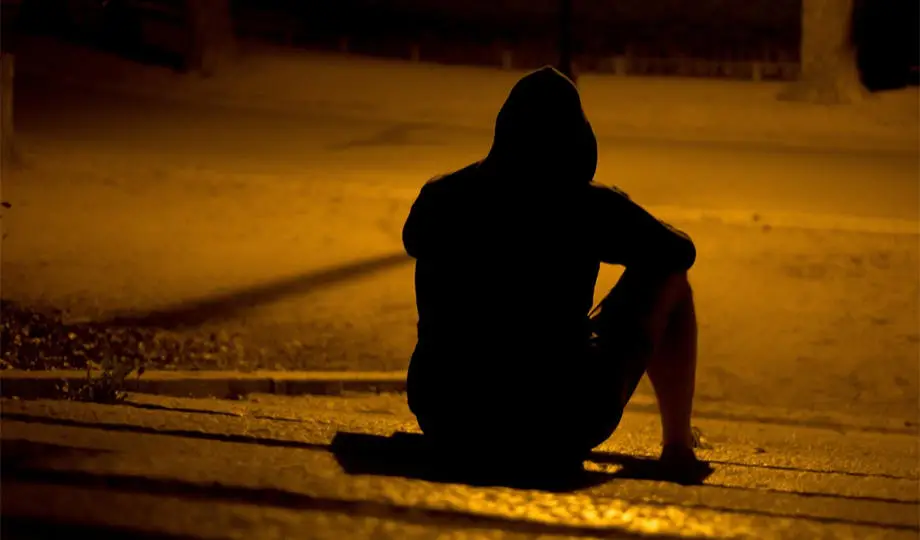
He woke up just before dawn, the dark night still heavy in the room like a thick blanket smothering him. Without checking his phone charging on the floor by his bed, Robert sensed it was around four in the morning and suddenly felt the intense loneliness of that hour that almost took his breath away. It was like a form of nocturnal purgatory, neither properly awake nor properly asleep. Not quite as terrifying as the sleep paralysis he experienced in times past, but constricting in a different way that seemed equally effective.
Sitting up, he reached for a glass of water and felt the reassuring mechanism of his own throat swallowing something real and not an illusion within the bad dream that had just startled him.
Though the dream disappeared as quickly out of his mind as water being cupped in his hand, he remembered the strange appearance of an elderly woman he'd met several years before in a supermarket in West London. She had worked for several newspapers and had an anecdote or two about a couple of the old moguls. She still bought several copies of the papers she'd been connected with as a daily ritual, but all her old colleagues had either retired, moved to the country, or died, and her pride in her professional history was contrasted with a personal loneliness that was palpable. The transience of newsprint ("tomorrow's fish and chip paper") and the transience of lonely souls wandering the streets of London, just like that Ralph McTell song his father used to sing him, had made a profound melancholic impression on Robert.
As she walked away on stiff legs to catch the bus back to her apartment, he felt her isolation had infected him somehow, and though he had thought to write down a note or two about their exchange for some future character in a novel, he never again found the words he'd scribbled on the back of that coffee-marked napkin.
The old woman's reappearance in his dream haunted him for the very reason that he hadn't thought about her since that strange time when he was becoming something of a ghost in the city himself.
A period of reflection after a breakup with a woman had left him morose but alert to inspiration, channelling his heartbreak into a short story about doomed lovers. Drinking cheap supermarket coffee and scouting for yellow-stickered discounted sandwiches had put Robert as close to urban squalor as he was prepared to go. Nevertheless, meeting the old lady of Fleet Street had him thinking of her as a ghost of Christmas Future. Not for him but for his ex. Was this her future without him? A London Miss Havisham without the cake and without the wedding dress. Of course, it seemed presumptuous to think like this. She would no doubt love again, and he would become yesterday's news.
Now, in the darkness of his room four years since that coffee with the old lady, Robert felt as if his heart was a channel of pure lonely energy that connected not just with the memory of the woman recalled in his dream but with the recollection of the past love about whom he had no idea what had happened.
Lives like unfinished chapters (typical of his career) had left Robert with too many endings in his head to resolve.
He couldn't write them all a happy ending, but he couldn't write the sad ones either.
His heart was already too broken.
He checked his phone. It was 4 a.m. exactly.