WINTERREISE IM SOMMER
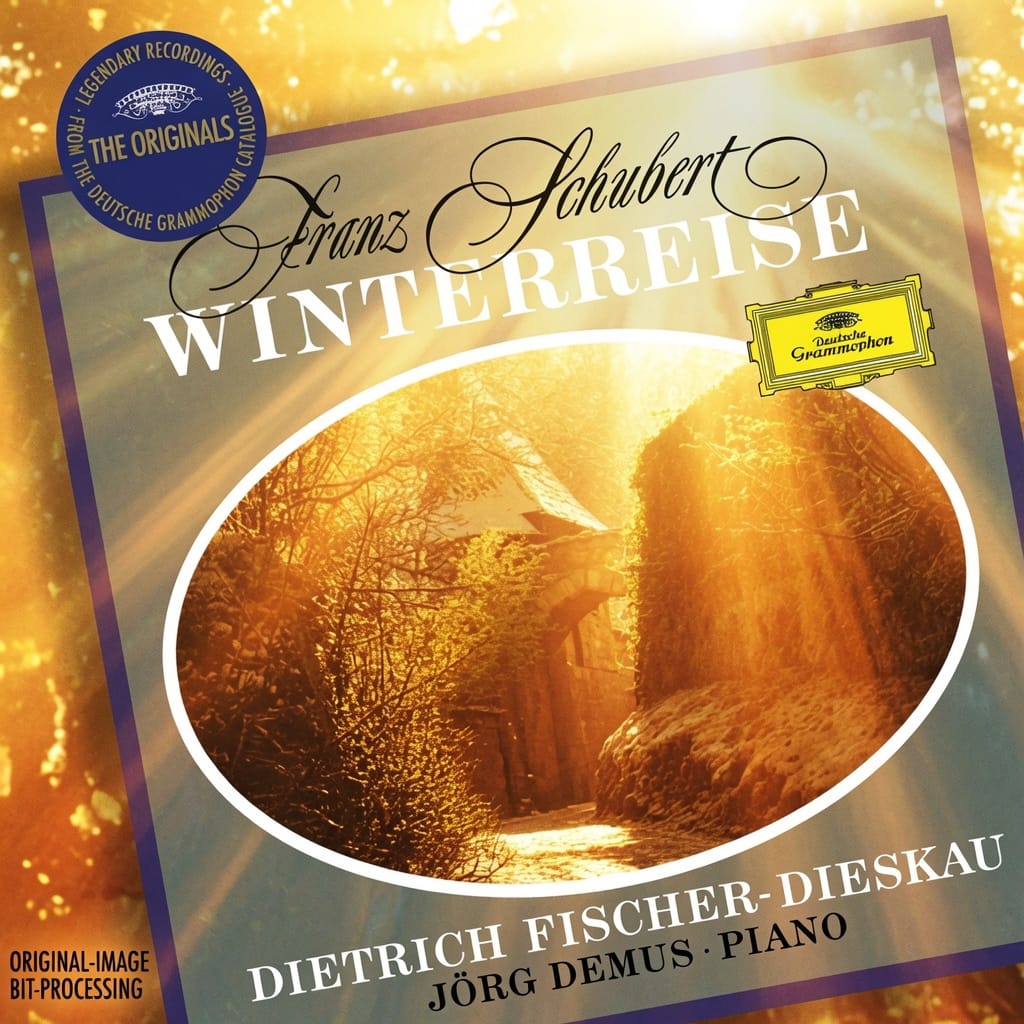
It seemed an odd yet canny piece of concert programming by the Three Choirs Festival to present Franz Schubert's (1797–1828) Winterreise, that deep winter musical journey, during the ongoing heatwave of South West England.
Sitting in St Nicholas's Church, Gloucester, dabbing the sweat from my forehead while tenor Mark Padmore traversed the dark odyssey of Schubert's haunting song cycle felt almost oxymoronic, and yet the deeper he trod through the wintry landscape, the cooler I started to feel, so much so that I almost felt a wintry chill down my neck, or perhaps it was just a bead of sweat.
Either way, the reminder of winter at its cruellest seemed a welcome contrast to the tyranny of our near two-month heatwave, and in its despair I found a strange type of comfort, a reminder that nothing lasts forever, not even a heatwave.
The perishing of things, whether it be love, hope, or life in Schubert's gloomy song cycle, may be too much for some, but I embraced its entrenched melancholy and despair as an antidote to the "climate apocalypse". With 24 songs to sit through that chart the lonely wanderer's dwindling spiral into a deathly oblivion, I appreciated art that was immersed in the emotional environments of an individual's broken heart as he reflects on the inherent sadness of loving and losing another.
It seems impossible not to see this lonely wanderer as the composer Franz Schubert himself, who died not long after completing Winterreise from syphilis (a disease of shame often compared to the AIDS of the 19th century).
Arriving at the final song, Der Leiermann ("The Hurdy-Gurdy Man"), the forlorn wanderer asks a hurdy-gurdy man playing by a frozen lake if he might play his songs, a bitter irony as so much of Schubert's work (including his lieder) was neglected in his own lifetime.
Exiting the church to face the fiery furnace of August's scorching heatwave, I felt profoundly moved by just how much the wintry frost of Schubert's work had chilled my soul for just over an hour and marvelled at the power of art to transport us to a time and place that, though composed almost 200 years ago, still feels as hauntingly present as the time in which it was composed.
Timeless art can transcend space and time when its location is in that secret life of the human heart.
By the open road a hurdy-gurdy man
With his frozen fingers plays as best he can
Dogs are barking round him
People come and go
Still he plays his music
Shivering in the snow
Still he plays his music
Shivering in the snow
Though he’s old and broken
Though his feet are bare
No one seems to notice
No one seems to care
Everyone ignores
The saucer at his feet
Just another madman
Standing in the street
Just another madman
Standing in the street
I must journey onwards
Will you come along?
Play your broken music
To my broken song.